
Project Details
Ownership Campaign
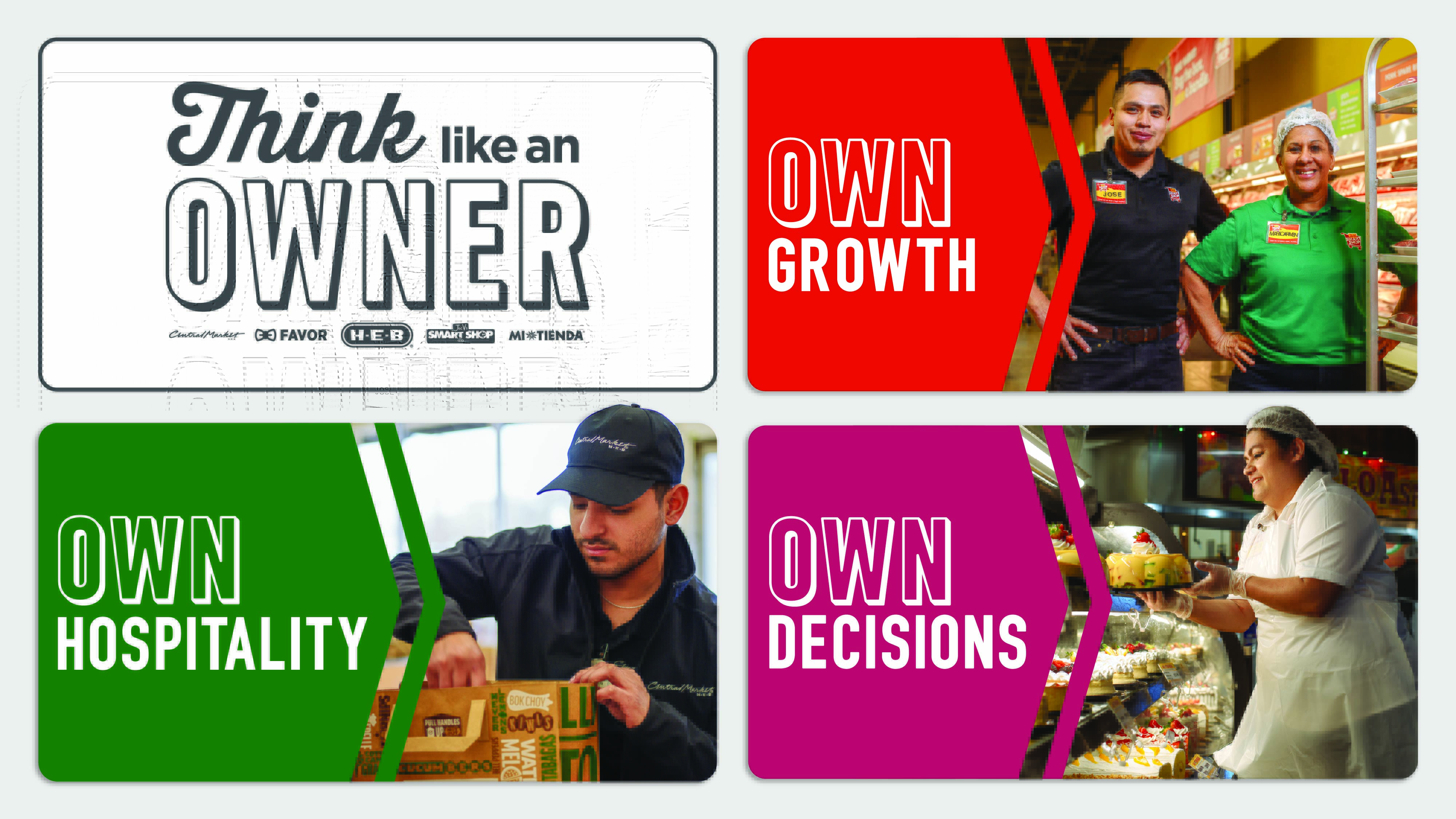
Branding & Art Direction for H-E-B’s internal communications campaign illustrating what it means to be an ‘Owner.’ In 2015, H-E-B’s family owners expanded Partner ownership by sharing company stock, giving Partners (employees) a stake in the organization’s growth. This campaign reinforces that every action—big or small—contributes to the company’s success across Texas, no matter where you work within H-E-B’s omni-channel family of brands.
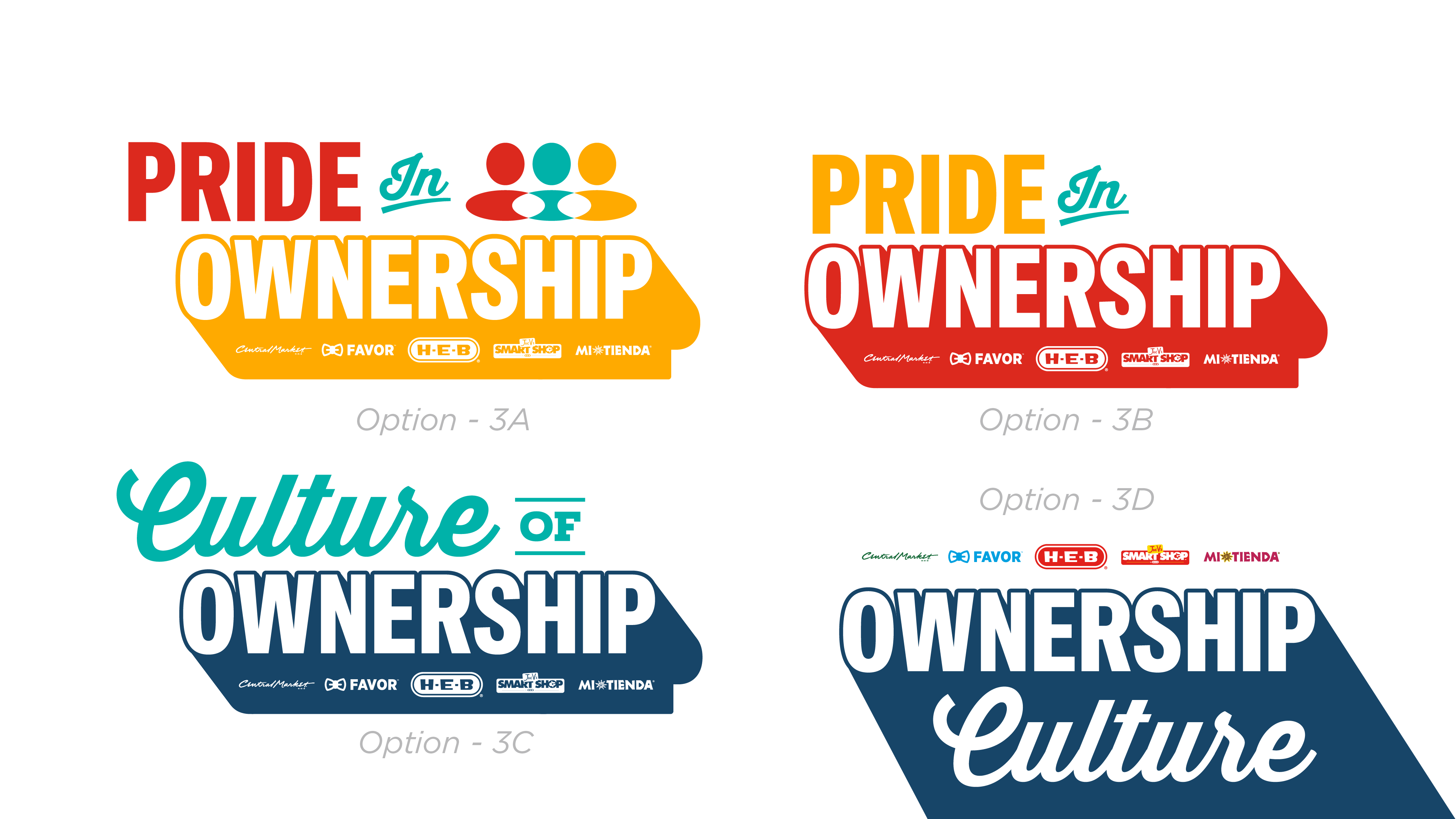
Exploration Concepts & Directional Studies
Project Details
Ownership Campaign
Branding & Art Direction for H-E-B’s internal communications campaign illustrating what it means to be an ‘Owner.’ In 2015, H-E-B’s family owners expanded Partner ownership by sharing company stock, giving Partners (employees) a stake in the organization’s growth. This campaign reinforces that every action—big or small—contributes to the company’s success across Texas, no matter where you work within H-E-B’s omni-channel family of brands.
Branding & Art Direction | Date: 2025
Subscribe now to keep reading and get access to the full archive.
The Ownership campaign was developed to strengthen internal culture, reinforce accountability, and inspire Partners to take proactive pride in their work. Through messaging clarity and a unified visual system, this initiative brought cohesion to internal communications and equipped leaders with tools to foster engagement across departments.
Objective: Build a culture of accountability and empowerment company-wide
Audience: Partners at store, warehouse, manufacturing, and corporate levels
Scope: Strategy, naming, visual identity system, internal storytelling toolkit
As the company expanded, internal communications began to feel fragmented, inconsistent, and unclear.
Leadership identified a need to:
Re-align Partners around shared expectations
Improve internal message clarity
Build cohesion across departments and work environments
Encourage teams to take initiative and pride
But the challenge wasn’t just visual — it was cultural.
The campaign had to be straightforward, human, and motivating — without leaning into corporate language or abstract brand symbolism.
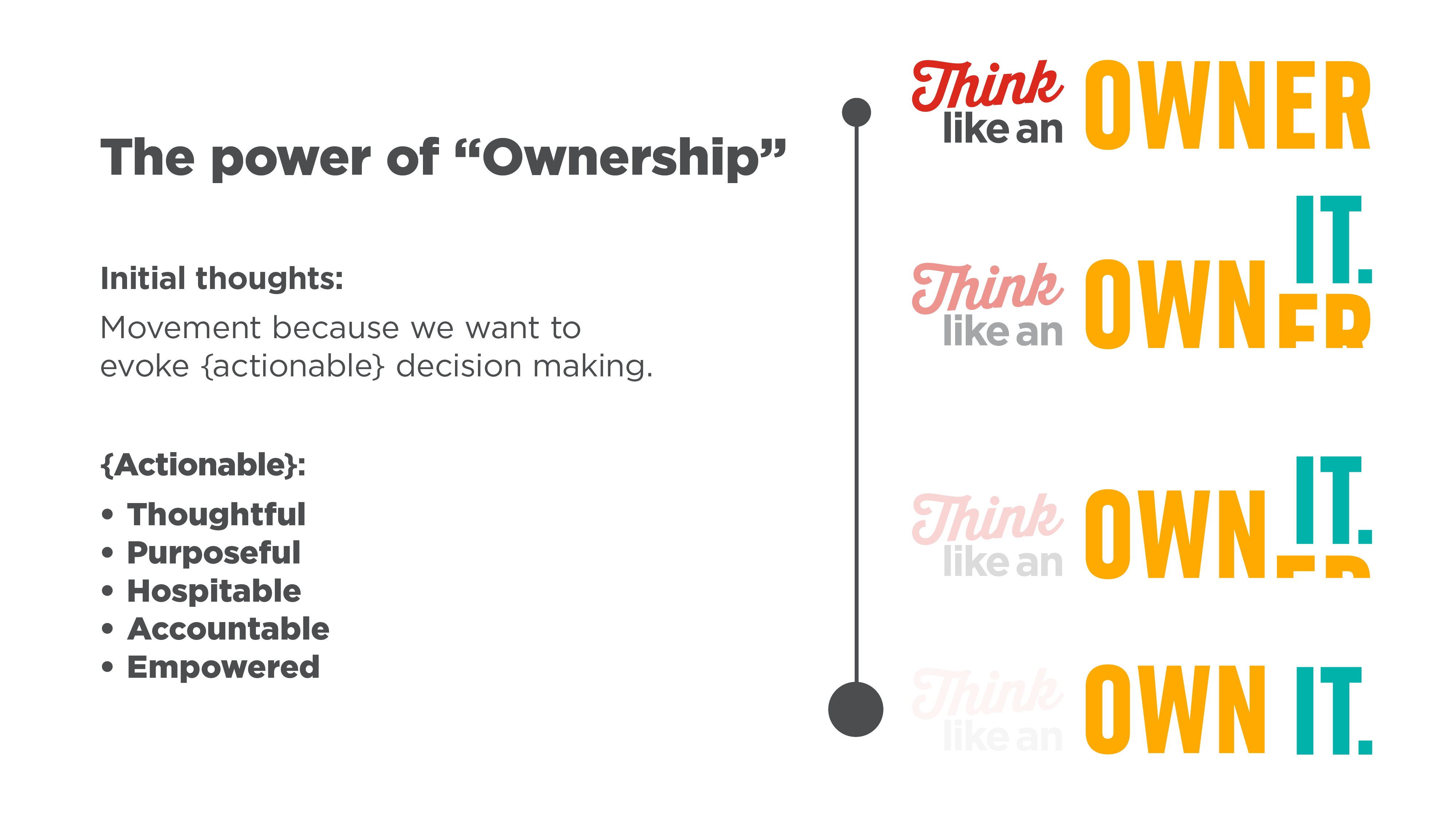
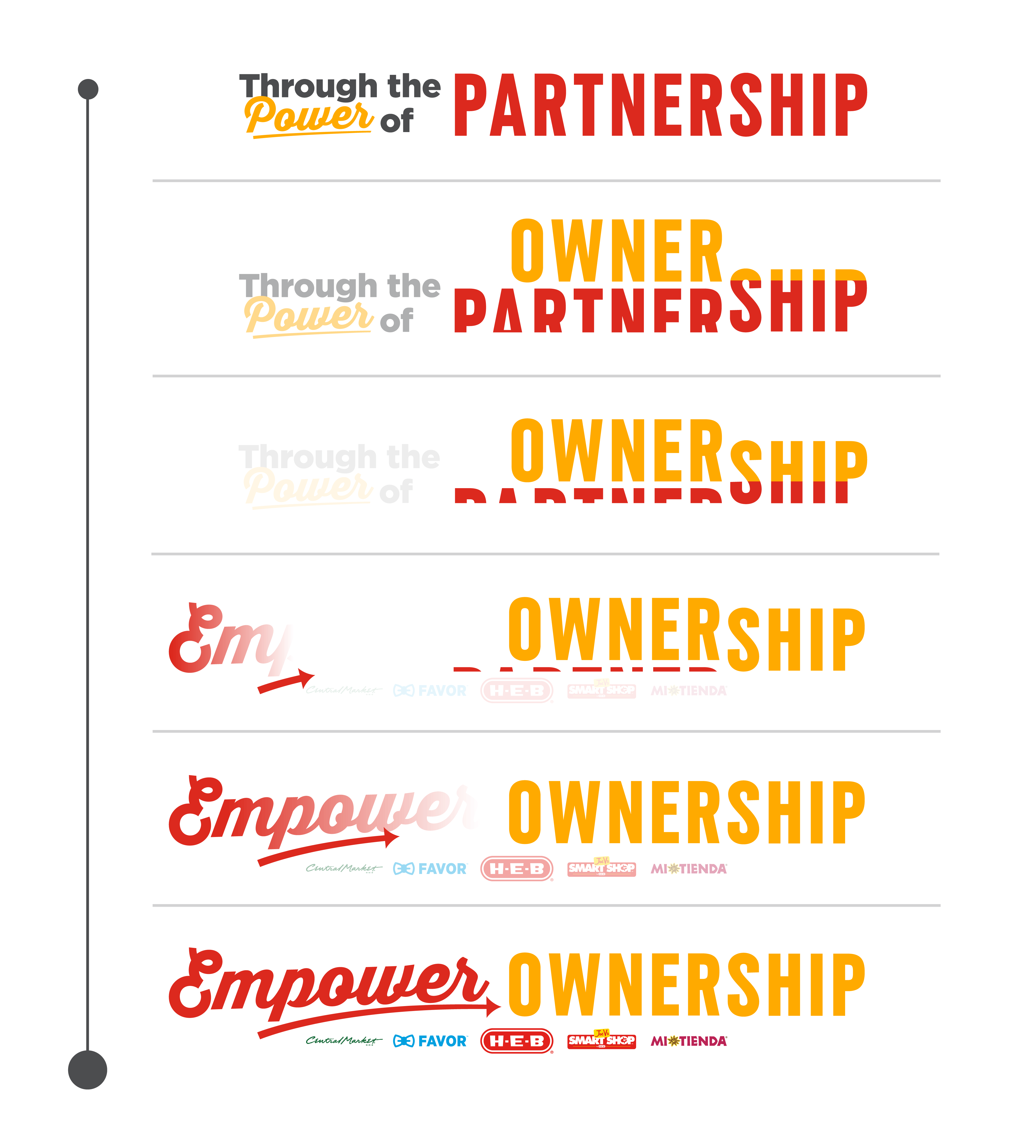
The idea of “Ownership” emerged over an iterative three-month discovery and naming process.
The phrasing needed to:
Be clear, actionable, and relatable
Feel internal-first, not corporate
Translate naturally into storytelling and behavior
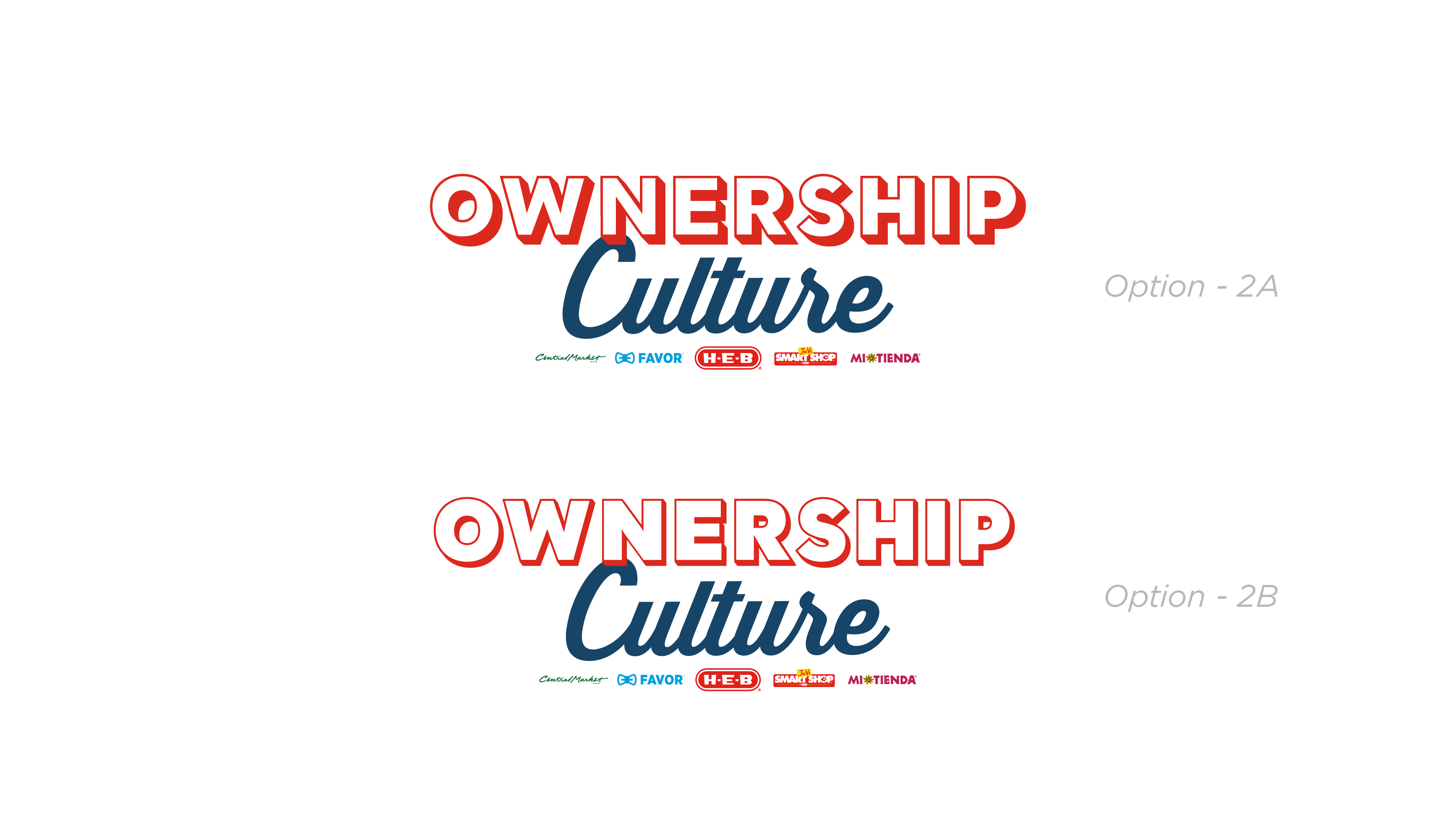
Stakeholder discussions played a significant role here. Early explorations included icon-based marks and wordmark treatments, but leadership gravitated toward a plain-language identity that would feel universal and adoptable.
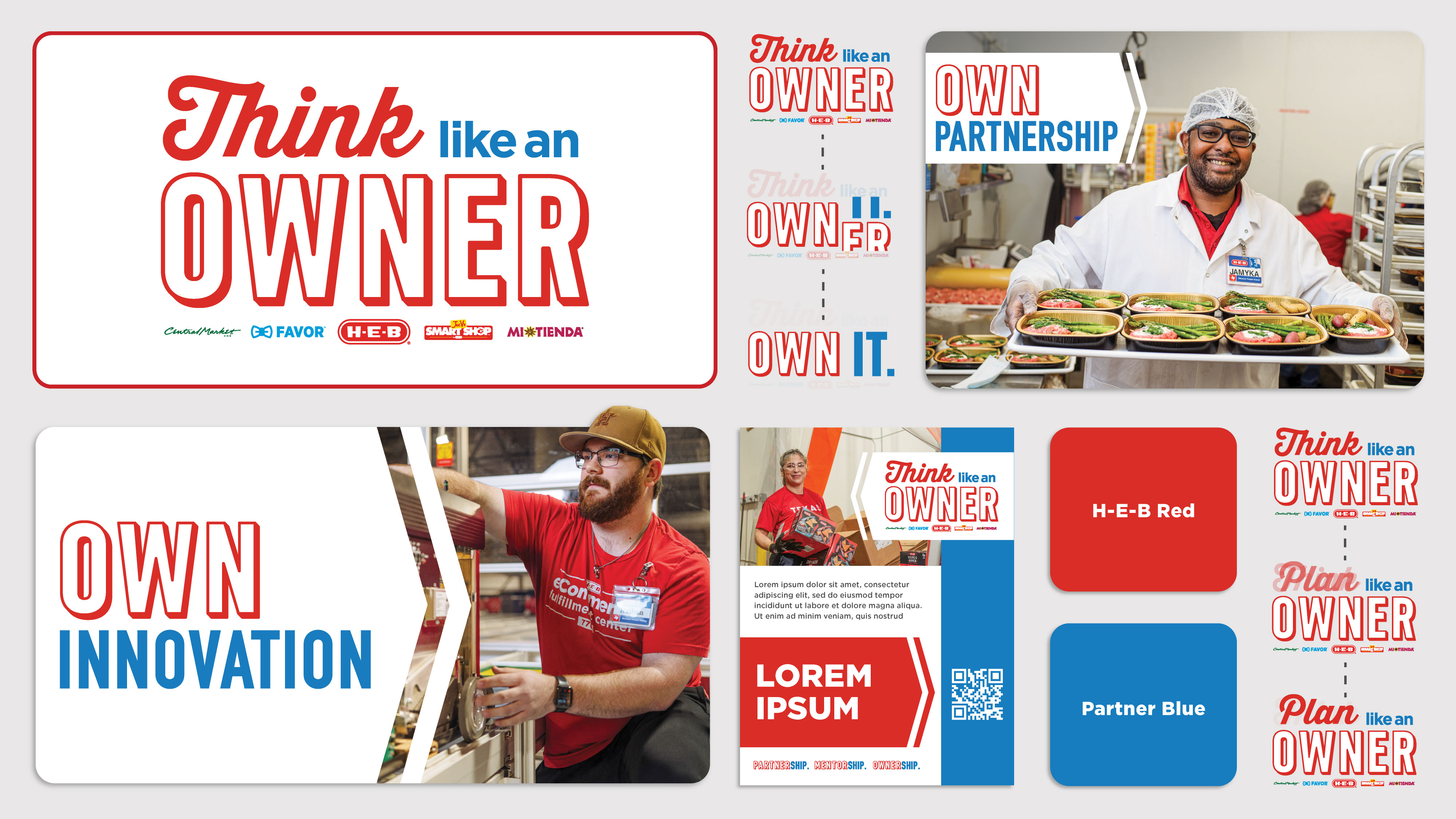
I built a scalable design framework rooted in:
Direct messaging hierarchy
Modular headline and sub-copy formats
Human photography principles
Color and typographic consistency
Iconography and badges used sparingly to enhance (not decorate)
This allowed departments to produce aligned communications without reinventing visuals each time.
The system was socialized across:
Internal Communications
HR
Store teams
Manufacturing + Warehouse Leadership
Corporate trainers
Templates and messaging tools ensured the campaign was easy to adopt regardless of communication experience or design background.
The Ownership campaign activated across multiple channels and audiences:
PartnerNet feature banners
Leadership deck templates
Store-level posters and visuals
Presentation assets for corporate training
Messaging prompts and campaign badges
Photography used to humanize Partner stories
The voice was straightforward, conversational, and empowering — steering away from corporate speak and toward authenticity.
The campaign was embraced by:
Internal Comms
HR
Store teams
Manufacturing leadership
Warehouse leadership
Corporate training teams
This broad adoption signaled cultural alignment and buy-in.
Ownership sparked new channels for Partner storytelling, with increasing participation month over month:
Employees shared moments when they felt empowered
Teams highlighted acts of accountability
Stories reinforced shared values across locations
The message grew bigger than the visuals — it became behavioral.
While the campaign’s goals centered around culture and engagement, measurable outcomes followed:
Employee morale increased over recent months
Sales productivity showed a steady upward trend (correlation observed post-campaign activation)
Retention improved, signaling higher Partner satisfaction
Through the internal CMS, Ownership became one of the most engaging communications series, consistently outperforming other internal features
Partners reported feeling more connected to shared purpose
Leadership cited improved clarity and alignment during trainings and meetings
Story submissions continue to fuel the campaign organically
The strongest outcome:
Ownership wasn’t just a campaign — it became a shared language.
Unified internal culture around simple, powerful language
Consistent visual+messaging system used across departments
Increased internal engagement and storytelling participation
Positive indicators in morale, retention, and operational productivity
Campaign sustainability — continues to grow organically
The success of Ownership reinforced an important truth:
Culture-building is stronger when messaging is human, not corporate.
The campaign succeeded because:
The phrasing was actionable and universal
Visual tools were accessible and scalable
Partners were invited to participate, not just observe
Ownership lives on because it belongs to the people — not the campaign.